Emergency aircon repair: what counts as urgent and what to do while you wait
By Sam Lee · Updated 2026-06-12
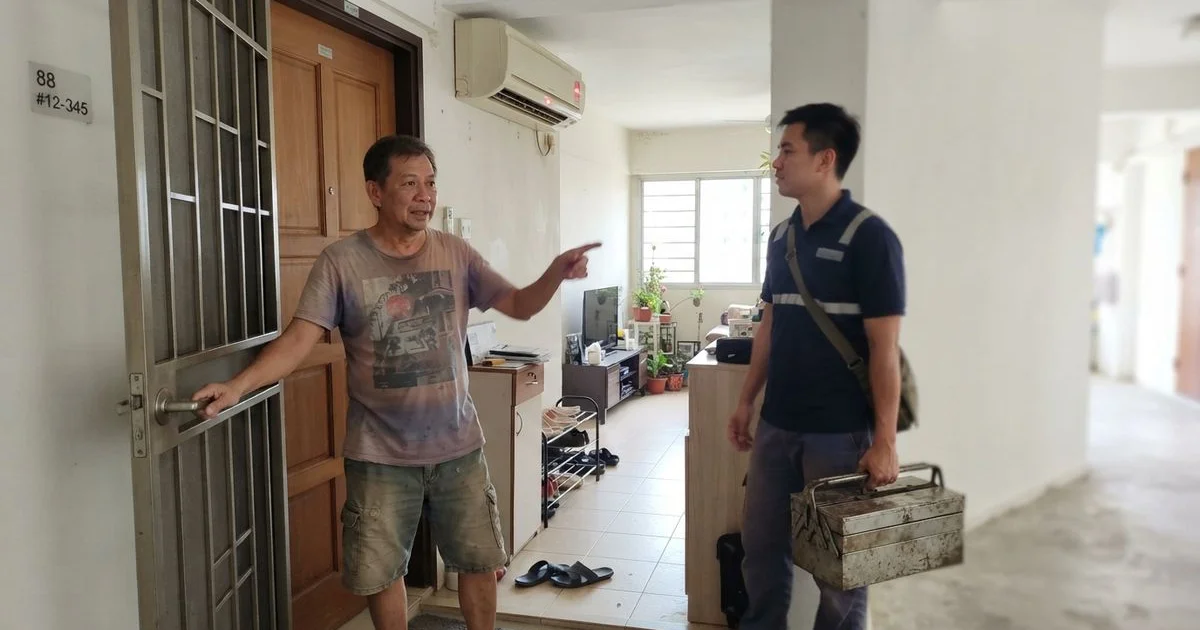
Not every aircon problem is an emergency, and treating every one as urgent means paying a premium for something that could have waited. Here’s how to tell the difference, and what to do in the meantime.
What actually counts as urgent
A genuine emergency usually involves safety or the risk of damage getting worse, not just discomfort. Water actively dripping onto electronics or flooring, a burning smell, sparking, or a unit that’s tripped the circuit breaker are all reasons to call for same-day help. A unit that’s simply stopped cooling on a mild day, with no other symptoms, is inconvenient but rarely dangerous.
Vulnerable households change the calculation. If there’s an infant, an elderly person, or someone with a heat-sensitive health condition at home, a non-cooling unit becomes more urgent even without a safety issue attached, especially during a stretch of hot weather.
| Situation | How urgent |
|---|---|
| Water dripping onto electronics or flooring | Same-day, treat as urgent |
| Burning smell or visible sparking | Immediate, switch off power |
| Circuit breaker trips repeatedly | Same-day, electrical fault |
| Unit not cooling, vulnerable household member | Same-day if possible |
| Unit not cooling, otherwise fine room | Can usually wait for next slot |
| Weak airflow, no other symptoms | Can usually wait for a routine booking |
What to do while you wait
If there’s water leaking, switch the unit off at the isolator switch or wall power point, this stops the leak from getting worse and reduces the risk of it reaching anything electrical nearby. Move anything valuable or electronic out from directly under the indoor unit. If you smell burning or see sparking, switch off power to the unit entirely and don’t attempt to inspect it yourself.
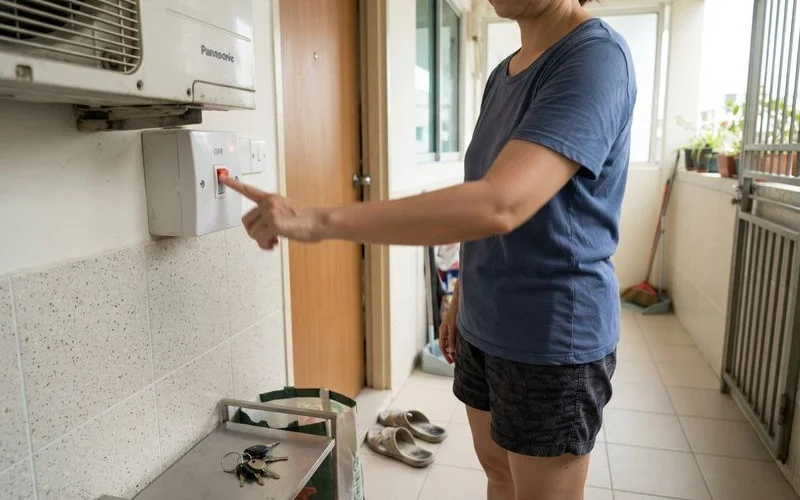
Don’t keep running a unit that’s tripping the breaker repeatedly, resetting it and hoping it holds usually just delays a proper diagnosis and risks further damage to the electrical components.
What it costs to call outside normal hours
An after-hours or weekend callout typically costs more than a booking during standard hours, since it involves a technician coming out specifically for your job rather than as part of a scheduled round. If the situation genuinely can wait, even overnight, booking the first available slot the next day is usually the more cost-effective choice.
What a technician will ask when you call
Be ready to describe when the problem started, what you’ve noticed, water, noise, smell, a tripped breaker, and the unit’s rough age or brand if you know it. This helps the contractor triage properly on the phone and arrive prepared, rather than needing a second visit once they’ve diagnosed the real issue.
What genuinely needs to wait
It’s worth being honest with yourself about what counts as urgent, since not every inconvenience justifies a premium callout. A unit that’s simply not as cold as usual, with no water, no smell, and no electrical warning signs, is annoying but rarely dangerous, and can almost always wait for the next available standard appointment. Booking that as an emergency mostly means paying more for a problem that would have been fixed the same way the next morning.
After the immediate issue is handled
Once a technician has dealt with the urgent part, whether that’s stopping a leak or clearing a tripped breaker, ask what caused it in the first place. An emergency callout fixes the immediate symptom, but it’s worth understanding whether it’s a one-off or something likely to recur, and whether a follow-up service or a change to your maintenance schedule would help avoid a repeat situation.
Knowing the difference between a true emergency and something that can wait saves you money and gets the most urgent problems handled first. For contractors covering after-hours callouts in the area, see our 24/7 emergency callout hub, our methodology page for how we assess them, or the homepage for other categories.
FAQ
- Is an aircon that's stopped cooling always an emergency?
- Not always. If it's inconvenient but the room is still liveable, it can usually wait for the next available slot. It becomes more urgent if there are vulnerable people at home, infants, elderly relatives, or anyone with a health condition affected by heat.
- Should I switch the unit off if it's leaking water?
- Yes. Switching it off at the isolator or wall switch stops more water accumulating and reduces the risk of it reaching electrical components, while you wait for a technician.
- Does calling after hours always cost more?
- Often, yes. After-hours and weekend callouts commonly carry a premium over a standard daytime booking, which is worth factoring in before deciding whether something can wait until the morning.
- What should I have ready when I call for an emergency repair?
- The unit's brand and rough age if you know it, when the problem started, and anything unusual you've noticed, noise, smell, water, or a tripped breaker. This speeds up diagnosis once the technician arrives.